
The simplest way to understand the difference is this: marketing is the entire process of understanding customers and bringing a product to them, while advertising is just one part of that process, the paid messages used to promote it. Marketing is the whole strategy; advertising is a single tactic within it. Put another way, all advertising is marketing, but not all marketing is advertising.
People often use the two words interchangeably, and that is understandable because they overlap. But treating them as the same thing leads to a narrow view of how businesses actually grow. Advertising is the visible tip, the ads you see and hear. Marketing is the much larger effort beneath the surface that decides what to sell, to whom, at what price, and how to reach them in the first place.
| Comparison | Marketing versus advertising |
| Category | Business and marketing fundamentals |
| Marketing is | The whole process of reaching customers |
| Advertising is | One paid tactic within marketing |
| Marketing scope | Research, strategy, product, price, promotion |
| Advertising scope | Creating and placing paid promotional messages |
| Relationship | Advertising is a subset of marketing |
| Key phrase | All advertising is marketing, not vice versa |
What Marketing Really Covers
Marketing is a broad discipline that spans everything a business does to connect a product with the people who want it. It begins long before any ad is made, with research into who the customer is and what they need. From there it shapes the product, the price, the message, and the channels used to reach people.
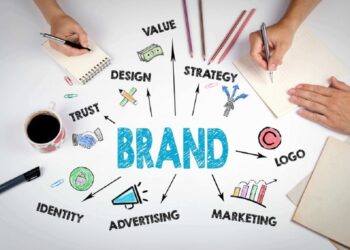
Because it is so wide-ranging, marketing includes many activities that have nothing to do with paid ads. Branding, market research, pricing decisions, content, customer relationships, and distribution all sit under the marketing umbrella. Advertising is simply one of the tools it can reach for.
What Advertising Really Covers
Advertising is narrower and more specific. It refers to the paid, public messages a business uses to promote its products, whether that is a television commercial, a billboard, a search ad, or a sponsored social post. Its defining feature is that the space or airtime is paid for.
The purpose of advertising is to spread a message to a wide or targeted audience in order to build awareness, interest, or action. It is powerful and visible, but it operates within the strategy that marketing sets. Without that guiding strategy, advertising is just noise.
The Core Differences Side by Side
Laying the two concepts next to each other makes the distinction concrete. Each row shows how the scope of marketing dwarfs the more focused role of advertising.
| Aspect | Marketing | Advertising |
| Scope | Broad and strategic | Narrow and tactical |
| Goal | Understand and serve customers | Promote a specific message |
| Cost | Includes free and paid activity | Always paid |
| Timeframe | Ongoing and long-term | Often campaign-based |
| Includes | Research, branding, pricing | Ads and their placement |
| Focus | The whole customer journey | Awareness and persuasion |
The Marketing Mix
A classic way to see marketing’s full breadth is through the marketing mix, often summarised as the four Ps. These four elements show how much strategic thinking happens before and around any advertising. Promotion, the category ads fall under, is only one of the four.
| The Four Ps | What It Covers |
| Product | What is being sold and its features |
| Price | How much it costs and why |
| Place | Where and how it is sold |
| Promotion | How it is communicated, including advertising |
Seen this way, advertising lives inside just one of the four Ps. It is important, but it is a single piece of a much larger puzzle that marketing assembles.
How They Work Together
The relationship between the two is not competitive but collaborative. Marketing sets the direction, and advertising helps carry the message. A well-run business uses marketing to decide what to say and to whom, then uses advertising as one of several ways to actually say it.
Imagine launching a new product. Marketing researches the audience, shapes the product, sets the price, and crafts the positioning. Advertising then takes that positioning and turns it into ads that reach people. The advertising only works because the marketing did its job first.
A Simple Analogy
Think of marketing as planning a journey and advertising as one leg of the trip. Marketing decides the destination, the route, the timing, and the mode of travel. Advertising is like the flight that covers part of the distance, essential, but only one segment of the whole journey.
Or consider a restaurant. Marketing decides the menu, the atmosphere, the pricing, and the target diners. Advertising is the billboard or social post inviting people in. The invitation matters, but it means little if the marketing behind the restaurant is weak.
The Cost Difference
A practical distinction between the two lies in cost. Advertising, by definition, always involves paying for space or airtime, whether that is a search ad, a commercial, or a sponsored post. The moment money changes hands to display a message, you are advertising.
Marketing, by contrast, spans both paid and unpaid activity. Researching your customers, refining your product, building a brand, and nurturing loyal relationships can all happen without buying ad space. This is why a business with a modest budget can still market effectively, even if it advertises little.
Timeframe and Mindset
The two also differ in how they unfold over time. Advertising tends to run in campaigns, bursts of activity with a start and an end, aimed at a specific goal like launching a product or promoting a sale. When the campaign ends, the ads stop.
Marketing is ongoing and rarely switches off. It is the continuous work of understanding customers, adjusting to the market, and building a brand over months and years. This longer horizon reflects marketing’s strategic nature, compared with advertising’s more immediate, tactical rhythm.
| Marketing Mindset | Advertising Mindset |
| Long-term and continuous | Campaign-based and finite |
| Strategic and foundational | Tactical and immediate |
| Builds relationships over time | Drives awareness quickly |
| Always running | Starts and stops |
Where Digital Fits In
Modern digital channels have blurred the line for many people, which adds to the confusion. Social media, search, and content marketing all live online, and some involve paid ads while others do not. This is precisely where the distinction proves useful.
A brand’s organic social posts, helpful blog content, and email newsletters are marketing without advertising. The paid search ads and boosted posts sitting alongside them are advertising. The same digital channel can host both, which is why understanding the difference keeps your strategy clear rather than muddled.
Why the Distinction Matters
Understanding the difference changes how a business allocates its effort and money. Treating advertising as the whole of marketing leads to a common mistake: pouring budget into ads while neglecting the strategy, product, and customer understanding that make those ads effective.
Businesses that grasp the distinction invest in the full marketing picture, so that when they do advertise, the message lands on solid ground. Ads amplify a strong strategy; they cannot rescue a weak one. Knowing this helps you spend wisely rather than expecting advertising alone to drive success.
- Advertising works best when strategy is already strong
- Budget spread only on ads often underperforms
- Customer understanding shapes what ads should say
- Branding and product decisions come before promotion
Examples of Each in Action
Concrete examples help separate the two clearly. Some activities are pure marketing, some are specifically advertising, and seeing them sorted this way reinforces the boundary between them.
| Marketing Activities | Advertising Activities |
| Researching customer needs | Running a paid search ad |
| Designing brand identity | Buying a billboard |
| Setting product pricing | Airing a TV commercial |
| Building customer loyalty | Sponsoring a social media post |
| Creating helpful content | Placing a display banner ad |
Which One Does Your Business Need?
The honest answer is that you need both, but marketing comes first. Every business needs marketing, because every business must understand its customers and decide how to reach them. Advertising becomes valuable once that groundwork is done and you want to amplify your message.
Starting with advertising before doing the marketing thinking is like shouting before you know what to say or who is listening. Get the strategy right, and advertising becomes a force multiplier. Skip it, and even the cleverest ads tend to fall flat.
Frequently Asked Questions
What is the main difference between marketing and advertising?
Marketing is the whole process of understanding customers and bringing products to them, while advertising is one paid tactic within marketing used to promote those products.
Is advertising part of marketing?
Yes. Advertising is a subset of marketing, specifically the paid promotion element. All advertising is marketing, but marketing includes much more than advertising.
Which is more important, marketing or advertising?
Marketing is the foundation, since it shapes strategy, product, and audience. Advertising amplifies that strategy but cannot succeed without it, so marketing generally comes first.
Can you do marketing without advertising?
Yes. Many marketing activities, like research, branding, content, and pricing, involve no paid ads at all. Advertising is optional, but marketing is essential.
What are the four Ps of marketing?
They are product, price, place, and promotion. Advertising falls under promotion, showing that it is just one part of the broader marketing mix.